


Introduction
What defines the Silver Age of comics?
The Silver Age of comics represents one of the most innovative and influential periods in comic book history, generally recognized as spanning from 1956 to roughly 1970. This transformative era began with the publication of DC’s “Showcase #4,” which reintroduced The Flash with a new identity and scientific origin story. The Silver Age marked a significant shift in storytelling approaches, visual styles, and character development that would forever change the medium.
During this period, comics embraced science fiction themes, reflecting America’s fascination with space exploration, atomic energy, and technological innovation. Characters gained powers through radiation, scientific accidents, and extraterrestrial encounters rather than the mythological or mystical origins common in earlier comics. This scientific focus brought a new sense of wonder and possibility to superhero narratives while establishing many storytelling conventions that remain influential today.
Why it’s a must-read era for comic fans today
Even decades later, Silver Age Comics continue to shape the foundation of today’s comic universe and wider popular culture. Modern blockbuster films, television series, and contemporary comics constantly reference, reimagine, or directly adapt stories from this fertile creative period. Understanding Silver Age narratives provides essential context for appreciating current storylines and character developments across both Marvel and DC universes.
Beyond their historical significance, these comics offer a unique charm through their optimistic tone, inventive (if sometimes outlandish) plots, and distinctive visual style. For modern readers accustomed to darker, more complex narratives, Silver Age comics provide a refreshing perspective on superhero storytelling—one filled with imagination, possibility, and earnest heroism. Their accessibility and enthusiasm make them perfect entry points for readers of all ages seeking to explore comic book history.
Understanding the Silver Age
Key Differences from the Golden and Modern Ages
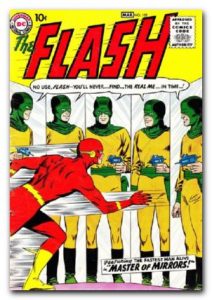
The Silver Age represented a sharp departure from the Golden Age (roughly 1938-1956) that preceded it. While Golden Age comics often featured straightforward morality tales with clear heroes and villains, Silver Age stories embraced greater complexity through science fiction elements, character-driven conflicts, and interconnected storytelling. Heroes became more relatable, frequently struggling with personal problems alongside their crimefighting activities.
Visual storytelling evolved dramatically as well. Silver Age artists developed more dynamic page layouts, innovative panel compositions, and a distinctive aesthetic that balanced realism with stylization. Artists like Jack Kirby, Steve Ditko, Carmine Infantino, and Gil Kane established visual vocabularies that defined their respective companies while pushing the medium’s boundaries.
Compared to Modern Age comics (approximately 1985-present), Silver Age stories maintained an optimistic outlook and adhered to the Comics Code Authority restrictions. Modern comics embrace moral ambiguity, psychological complexity, and mature themes largely absent from Silver Age narratives. Understanding these contextual differences helps new readers appreciate Silver Age comics on their own terms rather than judging them by contemporary standards.
The Influence of the Comics Code Authority
The Comics Code Authority, established in 1954 following public concerns about comic content, profoundly shaped Silver Age storytelling. This self-regulatory body imposed strict guidelines that prohibited excessive violence, horror elements, and morally ambiguous characters. Publishers seeking the Code’s approval seal—necessary for widespread distribution—had to ensure “good” always triumphed over “evil” and authority figures were portrayed respectfully.
These restrictions forced writers and artists to find creative ways to develop compelling stories within these parameters. The resulting emphasis on scientific explanations, colorful adventures, and clear moral lessons became defining characteristics of Silver Age narratives. Understanding the Code’s influence helps modern readers contextualize certain storytelling conventions that might otherwise seem simplistic or outdated by today’s standards.
Essential Silver Age Characters to Know
The Rebirth of The Flash and the Rise of Barry Allen
The Silver Age officially began when DC Comics reimagined The Flash in “Showcase #4” (1956). The original Golden Age Flash, Jay Garrick, was replaced by police scientist Barry Allen, who gained super-speed after being doused with chemicals struck by lightning. This scientific origin story established a template for Silver Age character development that emphasized accidents, experiments, and technology as sources of superpowers.
Barry Allen’s Flash introduced several innovations that would become Silver Age hallmarks: a sleeker costume design, a secret identity with professional expertise, and stories grounded in pseudo-scientific concepts. The character’s popularity led DC to revive and reimagine other Golden Age heroes with similar scientific updates, eventually explaining the original versions as existing on “Earth-Two”—an early example of the multiverse concept now central to both DC and Marvel storytelling.
Marvel’s Breakthrough: Spider-Man, X-Men, and the Fantastic Four
Marvel Comics revolutionized the industry during the Silver Age through characters with unprecedented psychological depth and relatable problems. Stan Lee, working with artists like Jack Kirby and Steve Ditko, created heroes who struggled with everyday challenges alongside their superheroic responsibilities. The Fantastic Four (1961) pioneered this approach with a dysfunctional family of heroes who argued, faced financial troubles, and didn’t always wear costumes.
Spider-Man, introduced in “Amazing Fantasy #15” (1962), exemplified Marvel’s innovative approach with his teenage insecurities, financial struggles, and tragic origin. The X-Men (1963) used mutant discrimination as a metaphor for real-world prejudice, while characters like Hulk, Iron Man, and Doctor Strange combined superhero conventions with elements from monster comics, technology thrillers, and mystical adventures. These characters connected with readers through their flaws and personal challenges, establishing Marvel’s distinctive voice in the industry.
The Evolution of Batman, Superman, and Wonder Woman
DC’s iconic trinity underwent significant transformations during the Silver Age. Superman’s mythology expanded dramatically with the introduction of various forms of Kryptonite, the Phantom Zone, Brainiac, and an elaborate Kryptonian history. Editor Mort Weisinger oversaw increasingly science fiction-oriented stories that explored parallel worlds, imaginary tales, and futuristic scenarios while emphasizing Superman’s alien heritage.
Batman shifted away from his darker detective roots toward more fantastical adventures featuring alien encounters, interdimensional travel, and elaborate gadgetry. The introduction of the “New Look” Batman in 1964, designed by Carmine Infantino, modernized the character’s appearance and brought renewed focus to his detective skills. Wonder Woman maintained her connection to Greek mythology but embraced more science fiction elements and romance subplots reflecting contemporary women’s magazines.
Must-Read Silver Age Comics for Beginners
DC Highlights: Justice League of America, Green Lantern, and Teen Titans
The Silver Age saw DC establish team dynamics that continue influencing comics today. “The Brave and the Bold #28” (1960) introduced the Justice League of America, bringing together Superman, Batman, Wonder Woman, Flash, Green Lantern, Aquaman, and Martian Manhunter in adventures that showcased both individual heroism and collaborative problem-solving. These stories established the template for superhero team dynamics still evident in comics and films.
Green Lantern’s Silver Age reimagining in “Showcase #22” (1959) transformed test pilot Hal Jordan into a cosmic hero and introduced the Green Lantern Corps—an intergalactic peacekeeping force that dramatically expanded DC’s universe. Meanwhile, “Teen Titans” brought together young sidekicks Robin, Kid Flash, Aqualad, and Wonder Girl, addressing youth culture and establishing a tradition of younger teams that continues with today’s Young Justice and Teen Titans iterations.
For new readers interested in exploring DC’s Silver Age, recommended starting points include “Justice League of America” #1-10, “Green Lantern” #76-89 (featuring the groundbreaking O’Neil/Adams social commentary stories that bridged the Silver and Bronze Ages), and “The Brave and the Bold” #54 (first Teen Titans appearance).
Marvel Milestones: Amazing Fantasy #15, Fantastic Four #1, and The Avengers
Marvel’s Silver Age revolution produced numerous groundbreaking titles that serve as excellent entry points for modern readers. “Fantastic Four” #1 (1961) established Marvel’s unique approach with its flawed, bickering heroes who gained powers through cosmic radiation. The series quickly developed into a blend of superhero adventure, family drama, and cosmic exploration that defined Marvel storytelling.
“Amazing Fantasy” #15 featuring Spider-Man’s debut remains a masterclass in efficient origin storytelling, while early issues of “The Amazing Spider-Man” developed Peter Parker’s struggles with responsibility, romance, and financial insecurity. “The Avengers” #1 demonstrated Marvel’s growing universe by uniting Iron Man, Thor, Hulk, Ant-Man, and the Wasp against common threats, establishing the team concept that would eventually become central to their publishing line and film franchise.
New readers should consider starting with “Fantastic Four” #1, 48-50 (the Galactus Trilogy), “Amazing Spider-Man” #1-33 (culminating in the iconic “Master Planner” story), and “Avengers” #4 (featuring Captain America’s Silver Age return). Marvel’s “Epic Collection” trade paperbacks offer affordable access to these foundational stories in chronological order.
Where and How to Read Silver Age Comics Today
Original Silver Age comics have become valuable collectors’ items, with key issues like “Amazing Fantasy” #15 or “Showcase” #4 selling for tens or hundreds of thousands of dollars as graded comics. Fortunately, numerous affordable options exist for readers interested in content rather than collecting.
Reprint collections provide the most accessible entry point, with both Marvel and DC offering comprehensive volumes collecting significant runs of Silver Age material. Marvel’s “Epic Collections” and “Masterworks” series and DC’s “Omnibus” and “Showcase Presents” lines organize Silver Age stories in chronological order with historical context and creator information.
Digital options have expanded dramatically, with services like Marvel Unlimited, DC Universe Infinite, and Comixology offering extensive Silver Age libraries for reasonable subscription fees. These platforms allow new readers to explore broadly without significant investment. For those preferring physical copies, many online comic store options specialize in Silver Age reprints and affordable reader copies of original issues.
Public libraries increasingly maintain extensive graphic novel collections, including Silver Age compilations. This zero-cost option allows readers to sample various titles before deciding which to pursue more deeply through purchases or subscriptions.
Navigating the Language and Art Style of the Era
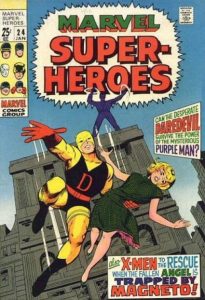
Silver Age comics employed distinctive storytelling conventions that might initially seem jarring to modern readers. Text-heavy narration, expository dialogue, and thought bubbles frequently explained details modern comics would convey visually. Scientific jargon, often creatively invented, appeared regularly to explain superhero origins and fantastic plot devices.
The artistic style featured clean lines, primary colors, and dramatic perspectives designed for clarity and impact. Panel layouts typically followed structured grids rather than the varied compositions common in contemporary comics. Characters expressed emotions emphatically through standardized poses and facial expressions that might seem exaggerated by today’s standards.
Approach these stylistic differences as part of the era’s charm rather than limitations. Silver Age creators worked within technical constraints including primitive printing technology, limited color palettes, and compressed storytelling requirements. Their solutions to these challenges produced a distinctive aesthetic that continues influencing comic art decades later through homages and stylistic revivals in titles like “Silver Age” by Alan Moore and “The New Frontier” by Darwyn Cooke.
Building Your Silver Age Reading Habit
Developing a Silver Age reading habit works best with some structure. Consider these approaches:
- Character-focused exploration: Follow a single character’s evolution through the Silver Age, starting with their reimagined origin and tracking major developments.
- Creator-centric reading: Focus on influential creators like Stan Lee and Jack Kirby’s Fantastic Four run or Gardner Fox and Mike Sekowsky’s Justice League stories to understand distinctive creative voices.
- Chronological approach: Experience the era’s evolution by reading key titles from both publishers in publication order, observing how they influenced each other.
- Theme-based selection: Explore Silver Age cosmic stories, secret identity challenges, or team dynamics across multiple titles to compare different creative approaches.
Use resources like reading guides, comic forums, and exclusive comics historical websites to discover hidden gems beyond the most famous issues. Many online communities welcome newcomers with reading recommendations tailored to specific interests.
Conclusion
The Silver Age represents a foundational period in comic book history—a creative renaissance that established characters, concepts, and storytelling approaches still resonating throughout popular culture. For new readers, these comics offer accessible entry points to understand superhero mythology while experiencing the medium’s evolution.
Approach Silver Age Comics with an appreciation for their historical context and distinct storytelling style. Their scientific optimism, moral clarity, and boundless creativity provide a refreshing contrast to contemporary comics while revealing the origins of concepts that modern stories continue exploring with increasing complexity.
Whether you’re discovering Barry Allen’s first appearance, experiencing Peter Parker’s early struggles, or witnessing the Fantastic Four’s cosmic adventures, Silver Age comics reward readers with imaginative stories that capture the excitement of a medium discovering its unique potential. By starting with the recommended issues and collections outlined above, you’ll build a foundation for appreciating not just where comics have been, but how they evolved into the sophisticated storytelling medium they are today.